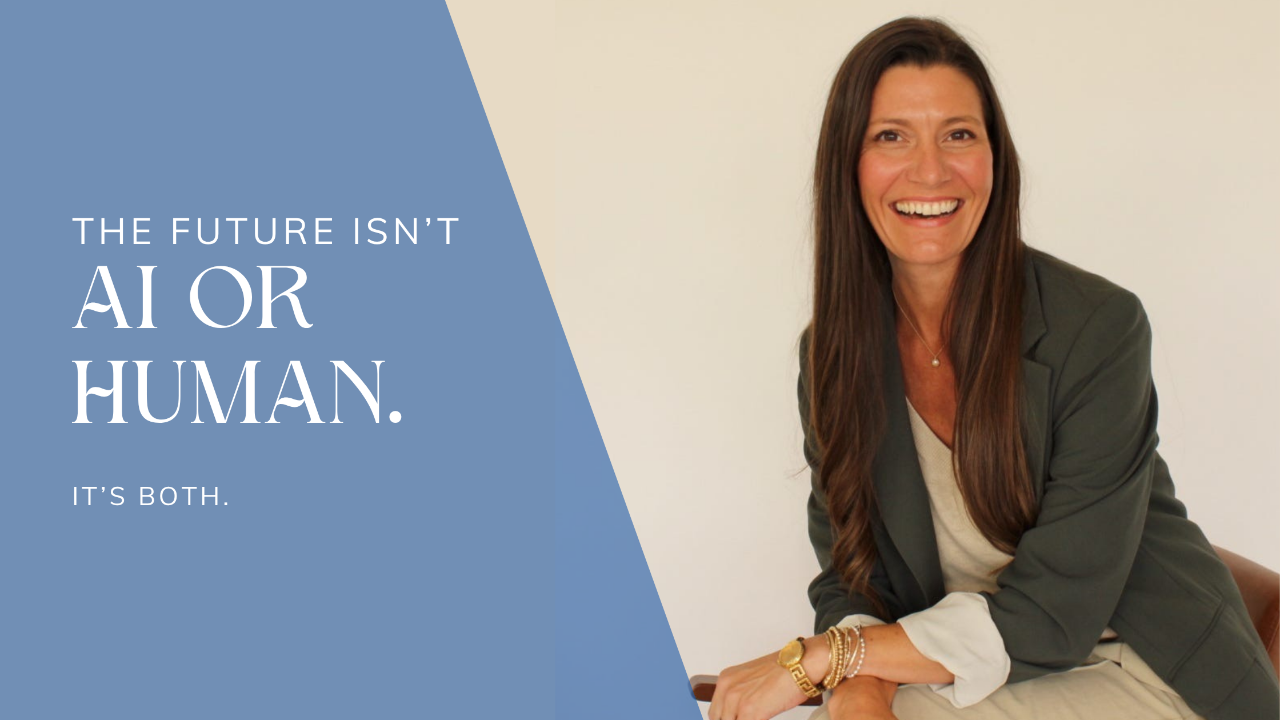
AI Will Change Financial Planning. Human Judgment Will Matter More.
Sep 22, 2026Artificial intelligence is already changing how financial professionals work.
Tasks that once consumed valuable time can increasingly be supported by technology, from meeting preparation and administrative work to routine client communication.
A 2026 national survey conducted by Morning Consult for Edward Jones found that 82% of financial advisors were already using AI tools in their practices. The profession is no longer asking whether AI will become part of financial advice. The more important question is how advisors will use it.
What becomes more valuable when information becomes easier to access?
The answer is not simply more information.
It is better judgment.
What AI May Make Faster
AI can help financial professionals process and organize information, prepare for meetings, draft routine communications, and reduce administrative demands.
In the 2026 Morning Consult and Edward Jones survey, 59% of financial advisors said they would like to use AI to automate administrative work such as scheduling, calendar management, and meeting preparation. Another 53% pointed to drafting routine client emails and follow-ups.
These applications can create meaningful efficiency.
But efficiency alone is not the end goal.
The real opportunity is what advisors choose to do with the time and attention they regain.
Information and Judgment Are Not the Same Thing
One of the biggest misconceptions surrounding AI is the belief that access to information automatically creates expertise.
It does not.
Information can help identify possible answers. Judgment determines which information is relevant, how it applies to a particular person, and what tradeoffs should be considered.
That distinction is supported by emerging research. A 2026 study published in the Journal of Financial Planning examined seven generative AI platforms using personal-finance scenarios involving emergency savings, retirement withdrawals, and asset allocation. Researchers found significant variation among the recommendations and concluded that AI may serve as a useful starting point, but should complement rather than replace professional financial advice.
Two advisors may have access to the same technology and the same information.
The advisor who creates greater value is the one who understands the client’s circumstances, priorities, concerns, and goals.
Why Client Context Matters
Financial planning is rarely about numbers alone.
A retirement decision may involve family priorities. A business succession plan may involve complicated relationships. An estate-planning conversation may involve deeply personal values. A technically reasonable recommendation may still be wrong for a particular client’s goals, behavior, or circumstances.
The 2026 Janus Henderson Investor Survey found that investors were generally comfortable with advisors using AI for educational content and administrative tasks. Their comfort declined considerably when AI was used for more complex or personal activities, including responding to client emails or providing investment recommendations.
AI can help organize the possibilities.
A human advisor must understand the life behind the numbers.
The Conversations Clients Don't Want to Have With a Bot
As technology advances, some parts of financial planning will become more automated.
Other parts will become even more human.
Clients may use AI to research a financial concept or prepare questions for an upcoming meeting. But decisions involving retirement, family responsibilities, business transitions, financial anxiety, and legacy are not simply requests for information.
They require context, empathy, and trust.
In the Morning Consult and Edward Jones research, 97% of advisors said client conversations had changed in recent years, expanding beyond traditional investment topics to include wealth transfer, financial anxiety, life decisions, and broader economic concerns. The same research found that 68% of advisors believe building and maintaining long-term client trust requires a human touch.
The future advisor will not compete with AI by trying to retrieve information faster.
The advisor’s value will come from helping clients interpret that information and move forward with confidence.
Using Efficiency to Create Better Client Experiences
The greatest opportunity AI creates may not be speed.
It may be capacity.
Many firms may be tempted to use every efficiency gain to accept more work. But firms can also use that capacity to improve the experience of the clients they already serve.
That might mean preparing more thoughtfully for meetings, following up more consistently, identifying planning opportunities earlier, or creating more room for meaningful conversations.
In the Morning Consult and Edward Jones survey, 53% of financial advisors viewed AI as an opportunity to focus on higher-value client work.
Technology should not simply help advisors do more.
It should help them be more present for the work that requires human expertise.
The Future Belongs to Human Expertise and Technology Together
For years, professionals have debated whether technology will replace advisors.
That may be the wrong question.
The better question is:
What happens when excellent technology and excellent advisors work together?
The future-ready professional combines:
- Technical expertise
- Financial planning knowledge
- AI-enabled efficiency
- Human judgment
- Communication skills
- Client trust
That combination is difficult to replicate.
And it is where the greatest value will be created in the years ahead.
Technology will continue to evolve.
Human judgment will continue to matter.
The professionals who learn to use both will be best positioned for what's next.
Ready to take the next step?
Subscribe to The Advisory Brief
Receive Brianne's perspective on AI, advisory work, financial planning, and the future of the profession delivered directly to your inbox.
Listen to AI's Role in the Future of Financial Planning
Hear a candid conversation about what technology may change and what clients will continue to need from human advisors.